
How to Audit a Plush Toy Supplier Remotely Before a Bulk Order

A factory video call can help you assess a supplier. However, a camera tour alone cannot verify how a factory will handle your order. A tidy sample room reveals little about bulk sewing, material control or responsibility for later changes.
A useful remote plush factory audit connects three things: the manufacturing site, the production process and the records for your proposed product.
This guide helps toy brands, licensing teams, importers, retailers and merchandise buyers review a supplier before a large order. It covers preparation, live questions, evidence checks and follow-up actions.
Treat the review as an early supplier check. It does not certify a factory or guarantee future performance. Your buyer program may still require an on-site audit or an independent review.
If you are comparing suppliers, start with our custom plush manufacturer evaluation guide. Use this guide when you have a specific supplier and product proposal to review.
Define the Scope Before the Video Call
First, write down the decision you need to make. Can this supplier explain a credible route for making your plush product? What else must you verify before you place an order?
Prepare a short project brief. Include:
- Product type, approximate size and character construction.
- Quantity range and number of designs.
- Main fabrics, decoration and accessories.
- Packaging direction and destination market.
- Intended users and any fixed launch date.
These details define the review. They do not confirm an order or reserve production capacity.
Next, choose the processes you need to examine. Cover site identity, sampling, materials, production, quality checks, outside partners and packing as relevant.
A simple plush keychain and a character with removable clothing need different questions. Record any separate social, security, retailer or product-compliance audit requirements. A video review does not replace those programs.
Request Useful Records and Protect Confidential Information
Send the supplier your project brief and review scope before the call. Ask which legal entities and production sites would handle the order. A brand name and city alone provide too little detail.
Request relevant document examples. Ask the supplier to hide customer names, prices and protected designs. The team can also use a non-confidential training example, clearly labelled as such.
Useful records may include a sample revision sheet, material reference, work instruction or inspection form. You want to understand how the process works, without collecting another customer’s private information.
A supplier may have valid reasons to protect customer records. However, the team should still explain responsibilities and how it would control your own order. Record any points that need another form of evidence.
Confirm the Company and Manufacturing Site
At the start of the call, ask the host to introduce their role, company and location. Confirm whether you are viewing a sales office, sample room, owned factory or partner site.
Each arrangement can support a legitimate business. The supplier should clearly explain the route your order would take.
Compare the site details with the earlier documents and the legal entity named in the quotation or contract. If several sites take part, identify each site’s role. Also ask which operations might move between locations.
Seeing a building on video does not prove ownership or confirm where a future order will run. Keep these conclusions separate in your notes.
If the supplier cannot disclose an address, record the reason and evidence gap. Decide whether your approval rules allow another verification method. You may still need a confidential third-party visit.
Follow the Production Steps Relevant to Your Plush
Ask the host to walk through the operations that matter to your design. These may include:
- Incoming material checks and cutting.
- Embroidery or printing.
- Sewing, stuffing and hand finishing.
- Inspection and packing.
Factories arrange these steps differently. Some decoration takes place before assembly, and outside partners may handle certain operations. Ask the host to explain each step and name the person who checks its output.
Use a follow-up question that goes beyond the prepared presentation. For example:
- Where does this material go next?
- How does this work order identify the current product version?
- Who approves a change to this accessory?
If the host cannot show a station safely or without exposing private information, request an alternative. A paused equipment view, a redacted instruction or a separate call with the process owner may help.
Record what you could not see. A missing view does not, by itself, prove deception. Likewise, a coherent tour does not prove consistent practice across every shift or future order.
Trace One Product Detail from Design to Inspection
A tour shows the work areas. A short trace exercise shows how the team connects a design decision to production.
Choose one important feature from your project. This could be an embroidered eye, a two-fabric ear, an accessory or a sewn-in label.
Then ask the team to connect:
- The feature on the artwork.
- The chosen material or decoration reference.
- The sample or version number.
- The work instruction or production reference.
- The inspection step for that feature.
A controlled paper record can provide useful evidence. You do not need a complex software demonstration. Focus on whether you can follow the information, rather than the supplier’s file names or software choice.
Example: Checking an Embroidered Eye
Imagine a mascot with a navy embroidered eye on a short-pile face panel. The buyer wants to confirm the eye’s size, colour and position.
A useful response links the drawing to the thread and colour reference. It also identifies the current embroidery file or approved sample. The team explains how it tracks versions and checks placement.
A claim about advanced machines does not answer those questions. This example illustrates the review method. It does not describe an actual MSXTOYS order, machine or internal procedure.
Review Sample Approval and Version Control
A specialist sample team may use a different process from the bulk production team. Ask how the supplier transfers the design between them.
Confirm who approves the sample and how the team identifies the physical reference. Check which written specifications and material references accompany it.
Next, ask what happens when someone proposes a change after approval. Discuss changes to fabric, accessories, seams, printing or embroidery. Request a redacted revision record and identify who can authorize the new version.
The key question is simple: how does the team stop an old version from reaching production?
If your artwork remains preliminary, make that clear. A remote review cannot approve a physical sample that you have not examined.
When your prototype is ready, use our custom plush sample approval checklist. That guide supports the sample decision. This review checks how the supplier manages the handoff.
Assess Capacity for Your Specific Order
A monthly output figure does not tell you whether the supplier can handle your proposed order. Ask which features could constrain production.
Relevant factors include pattern complexity, embroidery, multiple fabrics, accessories, the number of designs and packaging work. Material availability and your planned production window also matter.
An equipment count or active line gives context. Neither confirms future availability. Identify who will confirm capacity once the sample, quantities, materials and order terms are clear.
If a partner handles cutting, embroidery or packing, record that partner’s role and the handoff process. Do not assume the site on screen performs every operation.
You do not need other customers’ schedules. Ask for the main constraints and the process for confirming your own order.
Check Quality Controls and Product Requirements
Ask what the team would check for your plush product. Find out who records the results and handles a result outside the agreed requirements.
Depending on the design, discuss facial symmetry, dimensions, seams, filling, trim attachment, accessory placement, labels and packaging. Agree on project-specific criteria. Do not treat a general checklist as a set of universal numeric limits.
The call may show an inspection form, a rejected item or a correction record. However, it cannot prove a future defect rate or confirm all product-safety requirements.
Keep three activities separate:
- The supplier’s internal production checks.
- An inspection of a specific order before shipment.
- External testing and any required certification or documentation.
For the third activity, define the product and target market. Agree who will identify the applicable requirements.
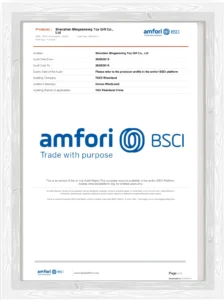
A factory audit logo does not prove that every product meets its market requirements. Likewise, a report for another design does not automatically establish the results for your proposed plush.
Check What Certificates and Reports Actually Cover
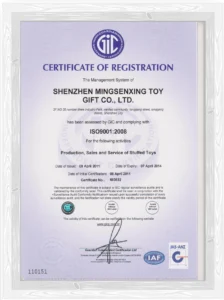
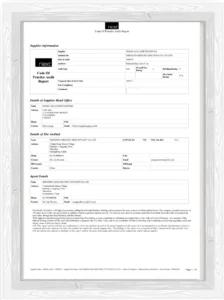
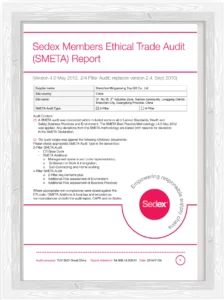
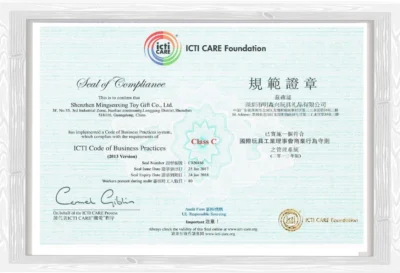
Suppliers may share quality-management certificates, social-audit reports, brand permissions or product test reports. Each document answers a different question.
For every relevant document, record:
- The document type and issuing organization.
- The named company and site.
- The products, activities or standards within its scope.
- The issue date and validity period, where applicable.
Check for mismatches. A report for another site may not cover the location on the call. A different product’s test report may provide useful background. It does not automatically establish the test results for your proposed design.
If your buyer program requires a particular audit, follow its actual approval process. A remote interview cannot replace that requirement.
Keep an Evidence Log and Assign Follow-Up Actions
Do not end the review with a general impression that the factory looked good. Record the evidence behind each important claim.
Use a log with these fields:
| Field | What to record |
|---|---|
| Claim | The supplier’s specific statement. |
| Evidence | The file, live demonstration or record you examined. |
| Gap | What you still need to confirm. |
| Owner | The person responsible for the next answer. |
| Next step | The document, inspection or other check you need. |
Choose a clear status: verified for this review, partially verified, not verified or outside remote scope. Here, “verified” means the evidence supports that specific point. It does not certify the whole supplier or guarantee future performance.
The table is a template, not a record of an MSXTOYS audit. Add findings only from evidence you actually reviewed. Use a numerical score only if your organization has a defined method and enough evidence.
Match the next action to the remaining question. Options include another document, sampling, an independent inspection or a hold on supplier approval.
Use This Remote Factory Review Agenda
Send your brief and scope in advance. Then use this agenda during the call:
- Identify the people, company, site and proposed production route.
- Walk through relevant processes and note any outside partners.
- Trace one design feature to its production reference.
- Ask the quality owner how the team checks and reports issues with that feature.
- Discuss the main constraints for your proposed order.
- Review supporting records and separate evidence from claims.
- Agree on open items, responsible people and the next checks.
Keep the discussion focused on your product. Equipment details matter when they help explain how the supplier will make and check it.
Remote Plush Factory Audit FAQ
Is a Video Call Enough to Approve a Supplier?
Not always. It can support an early supplier review and identify further checks. Your company, retailer or licensing program may require an on-site audit or independent verification before an order proceeds.
Should I Reject a Supplier That Uses Outside Partners?
Not automatically. Ask which partners handle each step and who controls specifications and approvals. Confirm who remains responsible for the finished order. An undisclosed site change raises a different concern from a clear, agreed production plan.
What If the Supplier Cannot Show Customer Records?
Respect protected artwork, prices and client identities. Request a redacted document, a non-confidential example or an explanation based on your own project. Record any remaining gap and agree on another check if the evidence is essential.
Can a Video Tour Confirm Capacity or Product Safety?
No. It shows a location and its activities at one point in time. Future capacity needs an order-specific plan. Product safety needs a separate assessment of the actual design, market and relevant testing or documentation.
Choose the Next Step for Your Plush Project
A useful remote plush factory audit leaves fewer questions about people, processes and records. You should understand who will make the product and which design version the team will use. You should also know how the supplier controls changes and what evidence you still need.
To discuss a project with MSXTOYS, prepare your design, product type, target size, quantity range and destination market. Include any important open questions.
Use our custom plush RFQ checklist to organize those details. Then contact MSXTOYS about your project to discuss the next review step.
Confirm site capabilities, commercial terms and schedules for your own project. A general guide cannot establish those details for a future order.